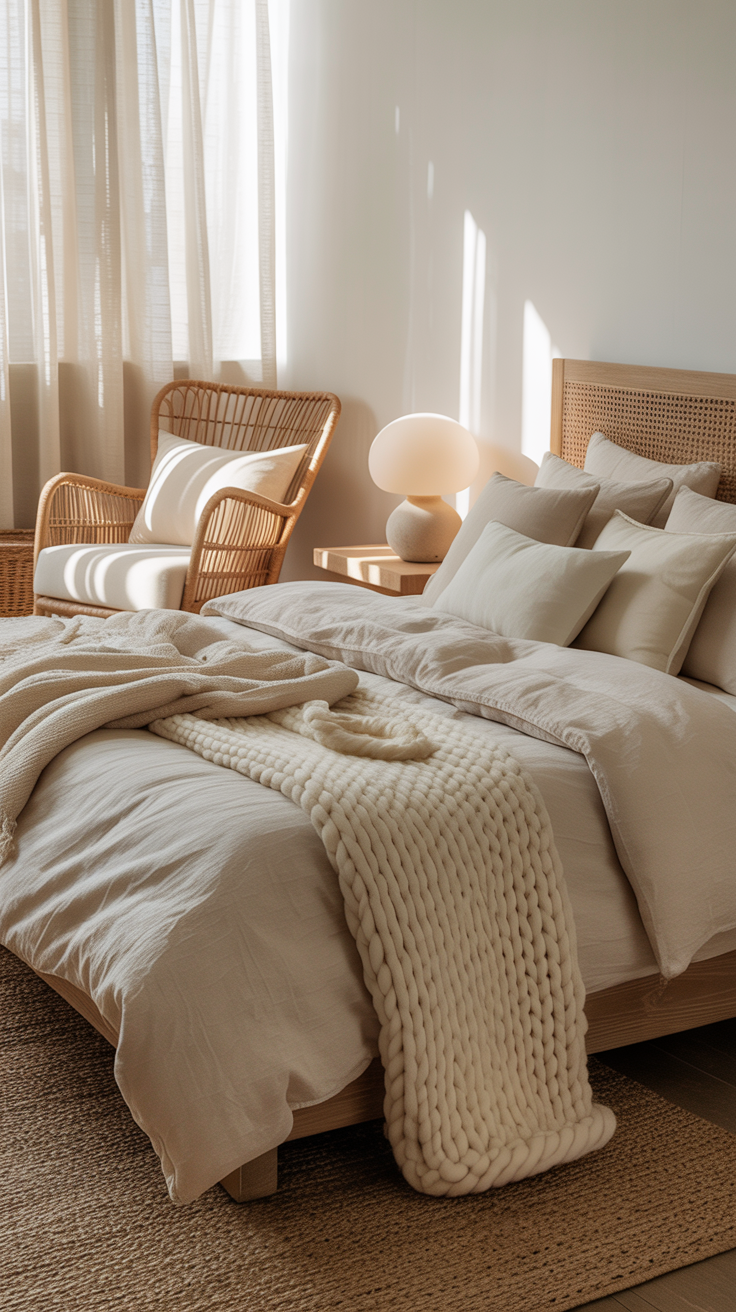
So… you want a neutral coastal bedroom that screams “I live in a magazine” but your bank account screams, “Girl… we need to talk.” I GET IT. I’ve been there. You scroll Pinterest, see dreamy beige-and-blue rooms, and think: “Yeah, I’ll just buy a $500 throw pillow and suddenly I’m rich too.”
Spoiler: you don’t need a second mortgage to get that breezy, luxe look. Nope. Today, I’m spilling the secrets designers whisper quietly to each other while sipping overpriced lattes. And yes… these secrets are totally doable—even if your wallet is crying in the corner.
WHY SOME NEUTRAL COASTAL BEDROOMS FEEL LIKE… WELL… SAD
Before we dive into the how-to, let’s talk about the why. Why do some “neutral coastal bedrooms” look luxurious while others look like a sad Ikea showroom?
Here’s the truth: IT’S ALL IN THE DETAILS.
You can have the perfect white duvet, a couple of driftwood pieces, and still feel like you’re sleeping in a Pinterest fail. Why? Because “neutral” doesn’t automatically equal “expensive.”
QUICK SIGNS YOUR ROOM FEELS CHEAP:
- All-white everything with zero layers (aka sterile hospital vibes).
- Random decor shoved in because it was “coastal-ish” (sorry, seashells in a mason jar don’t count).
- Furniture that wobbles when you look at it funny.
- Lighting so sad your Instagram pics look gray and depressing.
If any of this hits close to home… relax. I’ve got you.
COLOR: THE SECRET SAUCE
Listen, color is your best friend—but only if you use it like a pro.
A neutral coastal bedroom isn’t just white. It’s… layered neutrals. Think soft sandy taupes, creamy whites, muted greys, soft blues that whisper “I belong on a beach in Malibu.”
Pro tip: Warm neutrals + cool accents = instant luxury. Mix a beige bedspread with a soft grey throw and a hint of seafoam blue, and your room suddenly feels like a spa that charges $300/night.
COLOR LAYERING MADE EASY:
- Step 1: Pick 1 main neutral for walls/big furniture (white, beige, soft grey).
- Step 2: Pick 1–2 secondary neutrals for bedding, rugs, and curtains.
- Step 3: Add 1 “pop” color in subtle doses—soft blue, muted teal, or even sandy peach.
Notice I said subtle. No one looks rich with neon blue pillows screaming “I bought these at Five Below.”
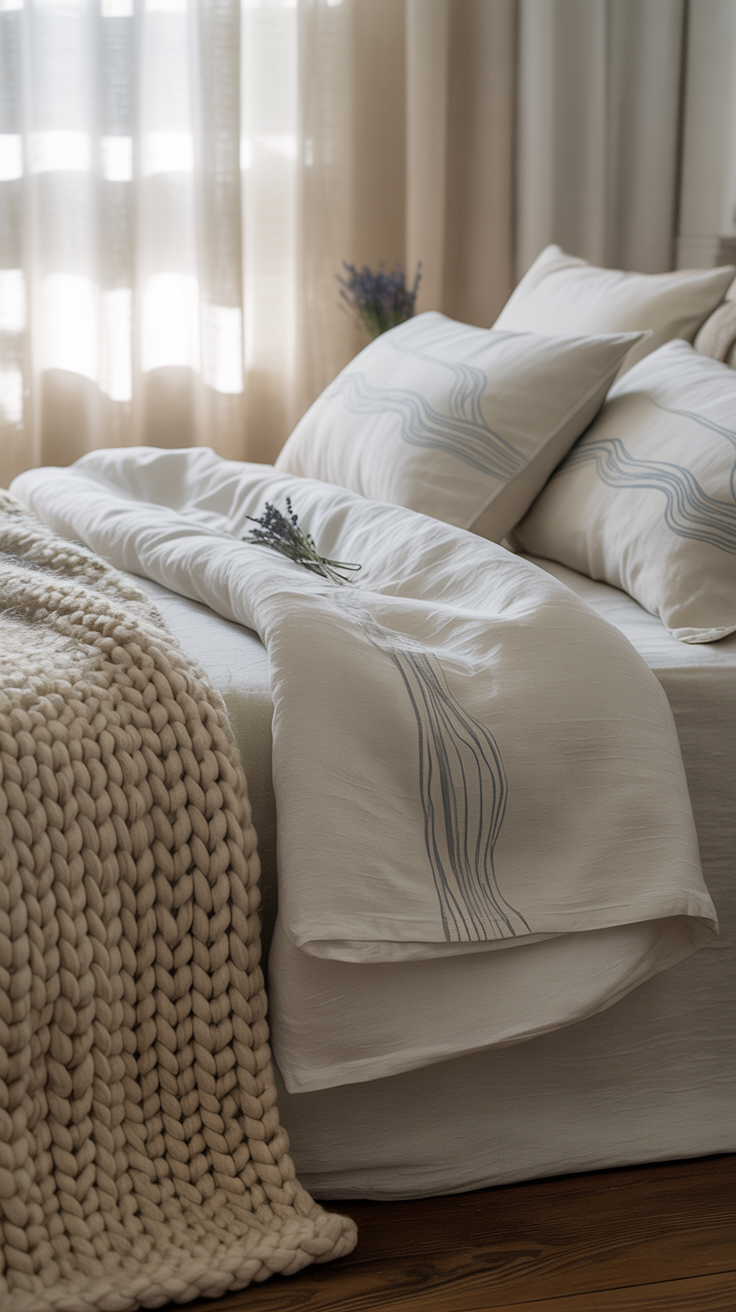
BONUS: Pinterest-friendly tip: use textures to create color depth. A plain white duvet is fine… until you add a chunky knit throw and a linen pillow. Suddenly, it’s not “cheap dorm room,” it’s “I might own a yacht someday.”
BEDDING & TEXTILES: YOUR BEDROOM’S MVP
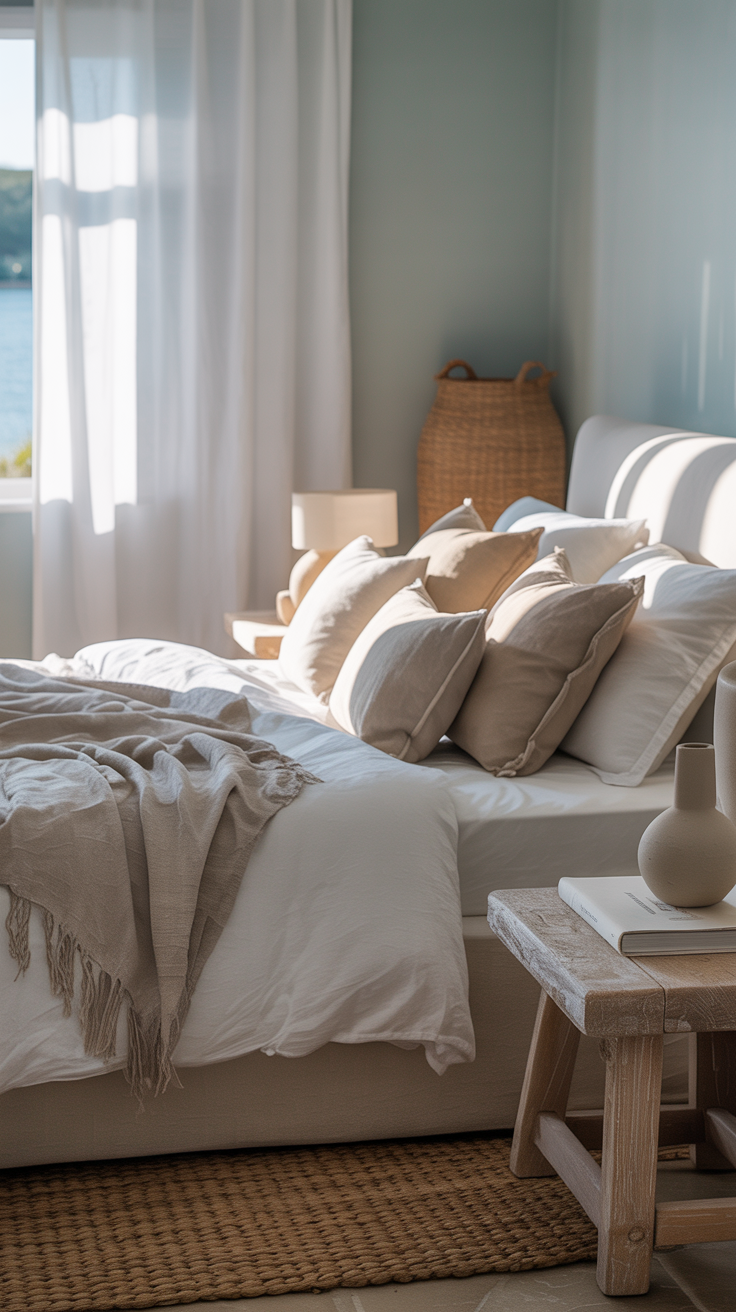
Here’s the cold, hard truth: your bedding says more about your bedroom than your walls ever will. You can have the walls of Versailles, but if your sheets are scratchy and sad, your room still feels cheap.
HOW TO LOOK EXPENSIVE WITHOUT SPENDING A FORTUNE:
- Forget thread count myths. A soft linen sheet looks way more luxe than a 1000-thread-count cotton that feels like cardboard.
- Layer everything. Pillows, throws, blankets. It’s like giving your bed a hug every morning.
- Texture > color. Linen, cotton, soft knits, woven throws. Your eyes (and fingers) will feel rich, even if your bank account isn’t.
Mini-hack: Mix patterns in the same color palette. Stripes + subtle geometric prints + solids = expensive designer look without actually hiring a designer.
FURNITURE: THE BIG IMPACT WITHOUT THE BIG SPEND
Furniture can make or break a neutral coastal bedroom. But here’s the thing: it doesn’t need to be expensive.
WHAT TO LOOK FOR:
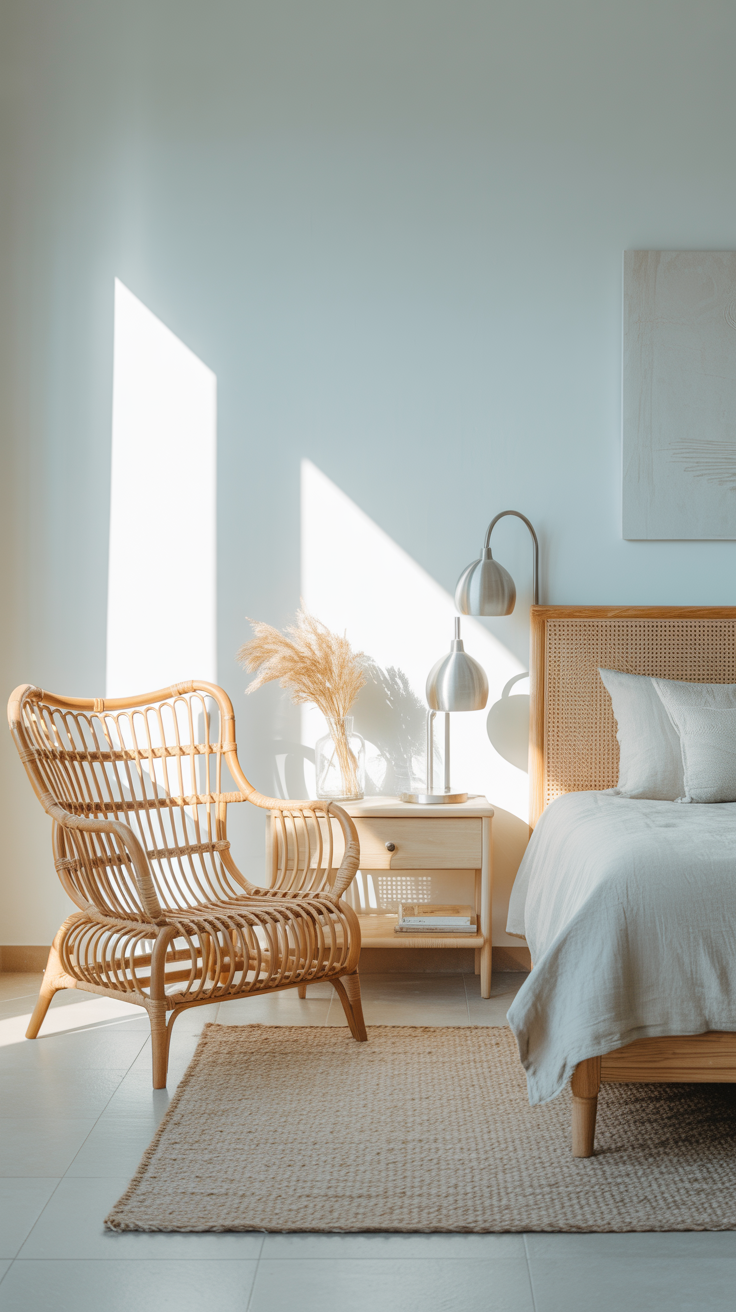
- Materials that feel luxe: wood, rattan, woven baskets, glass, brushed metals.
- Proportions matter: Oversized bed? Great. Tiny bedside table? Not so much. Balance = rich vibes.
- Placement is key: Give your furniture some breathing room. Nothing says “cheap” like cluttered chaos.
TRICK: Upgrade cheap furniture with small details. New knobs, legs, or even a coat of paint = instant money move. Your nightstand doesn’t need to be $400; it needs to look like $400.
LIGHTING: MORE THAN JUST “SEEING”
Lighting is the secret weapon that separates your “nice room” from your “I might be on a magazine cover” room.
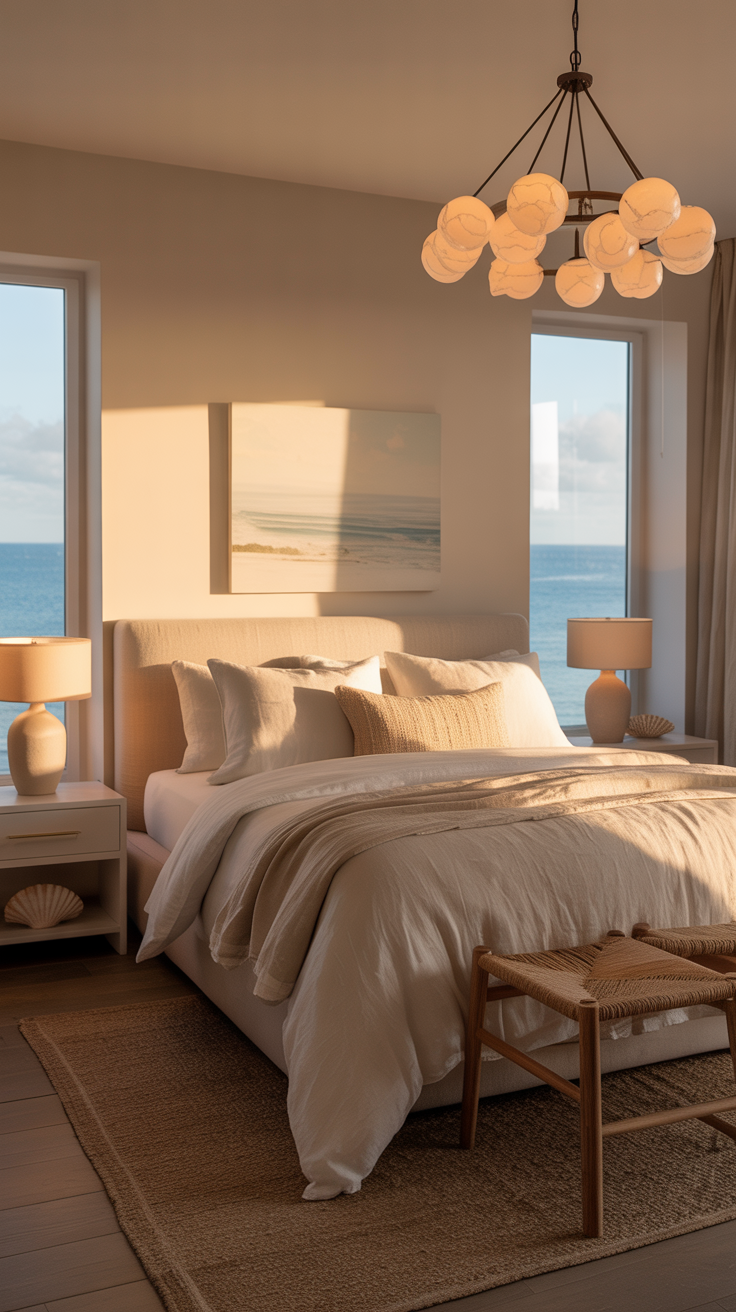
- Layered lighting = luxury. Use a combo of overhead lights, bedside lamps, and subtle accent lights.
- Natural light is your friend. Make your windows count: airy curtains, clean lines, no clutter on sills.
- Statement pieces: A cool chandelier or coastal-inspired pendant instantly makes a room look more expensive.
Quick tip: Even a $40 lamp from Target can look designer if paired with the right shade, a textured throw, and a curated nightstand.
ACCESSORIES: LESS IS MORE (BUT ALSO, NOT TOO LITTLE)
Accessories are tricky. Too many and it’s cluttered. Too few and it’s sad.
THE RULES:
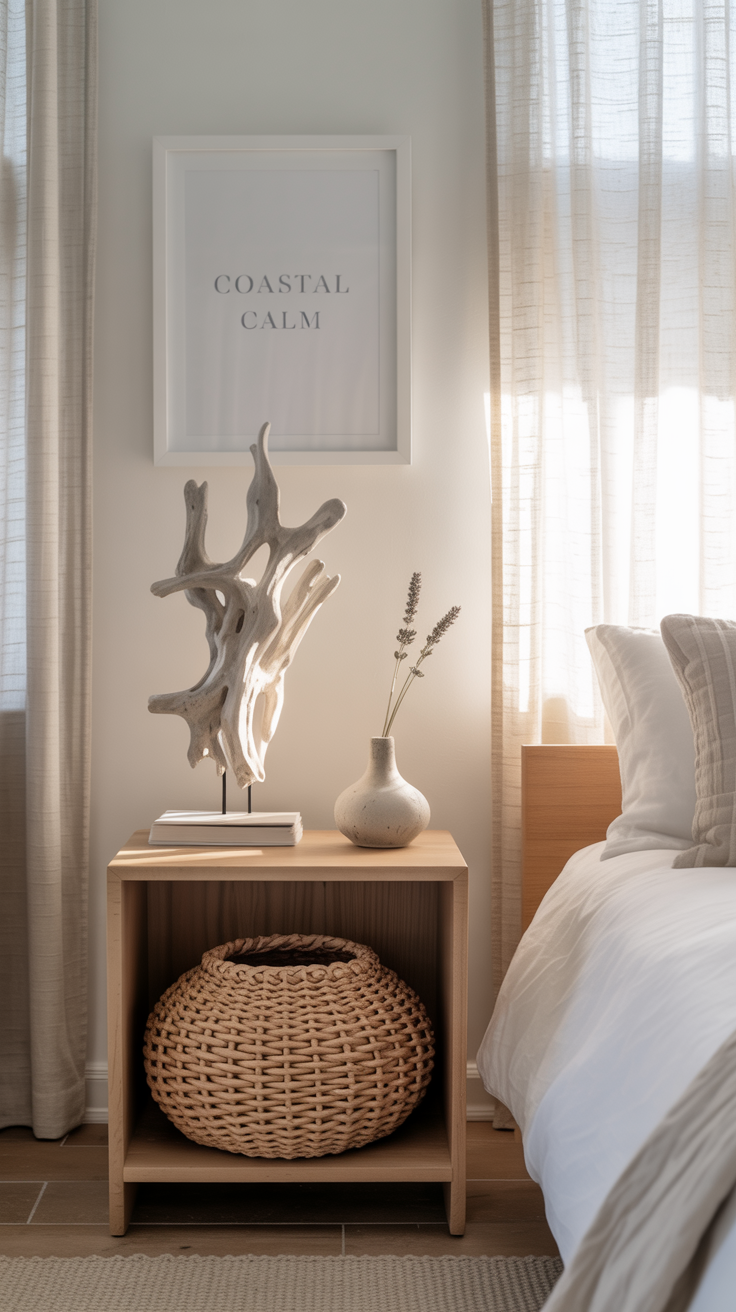
- Stick to 3–5 statement pieces. Think: driftwood sculpture, woven basket, framed coastal print.
- Vary heights and textures. Eye-level interest keeps the room dynamic.
- Keep it curated. Walk around your room with a critical eye: would a designer nod approvingly, or would they cry quietly in the corner?
FLOORING & RUGS: THE UNDERAPPRECIATED LUXE MOVE
Here’s a secret designers don’t always share: the floor can make or break the whole room.
Think about it—hardwood floors, soft neutral rugs, layered textures… suddenly the room doesn’t just look good. It FEELS good. Like, “I could nap here all day” good.
HOW TO PLAY IT:
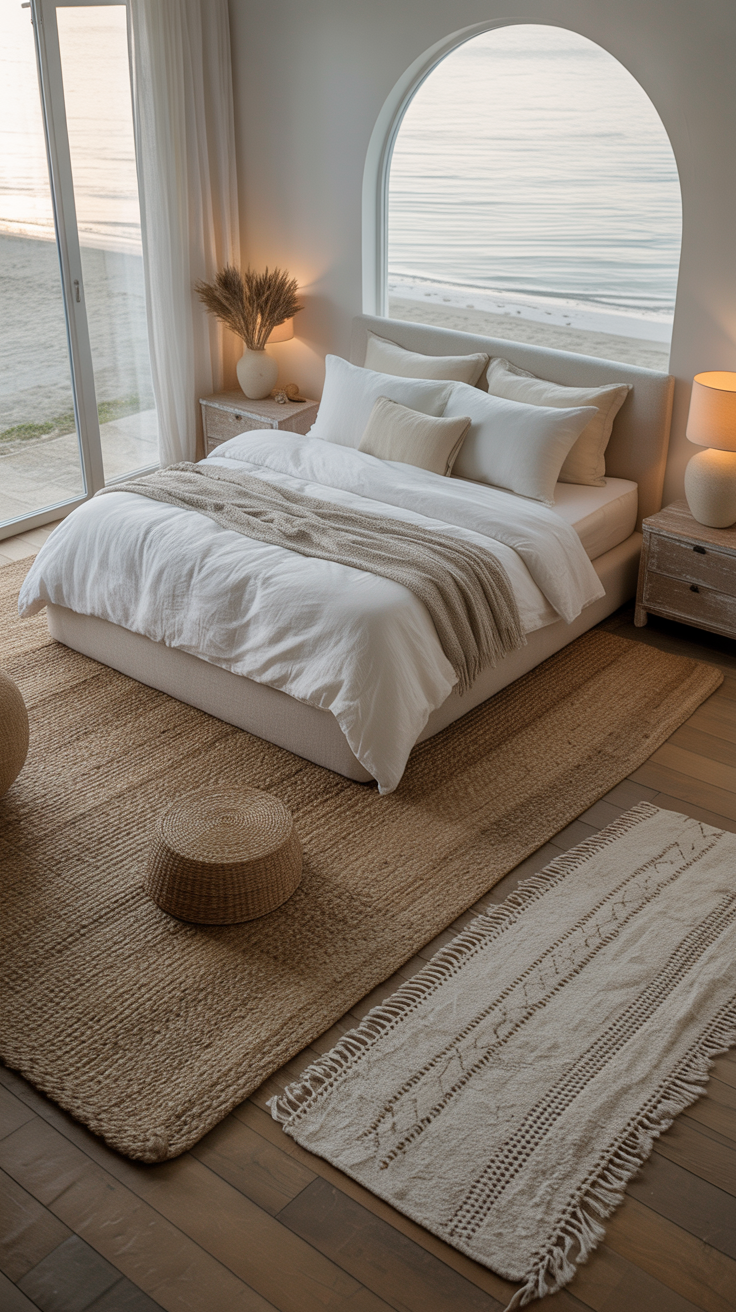
- Go natural: Jute, sisal, bamboo, or soft woven rugs instantly give that coastal vibe.
- Layering is key: Yes, you can layer rugs. A soft neutral rug under the bed, with a smaller patterned one on top, gives the room depth. Bonus: Instagram loves this.
- Size matters: Too small = cheap. Go big, go bold. Your rug should anchor your furniture, not float awkwardly.
💡 Quick hack: Even a budget rug can feel designer if you fluff it up, fold corners, and pair it with complementary textures.
DIY & BUDGET HACKS: LOOK EXPENSIVE WITHOUT THE EXPENSE
Listen, not everyone has $2,000 to spend on a rattan chair. But that doesn’t mean you can’t make it look like a $2,000 chair. Here’s where the magic happens.
EASY WINS:
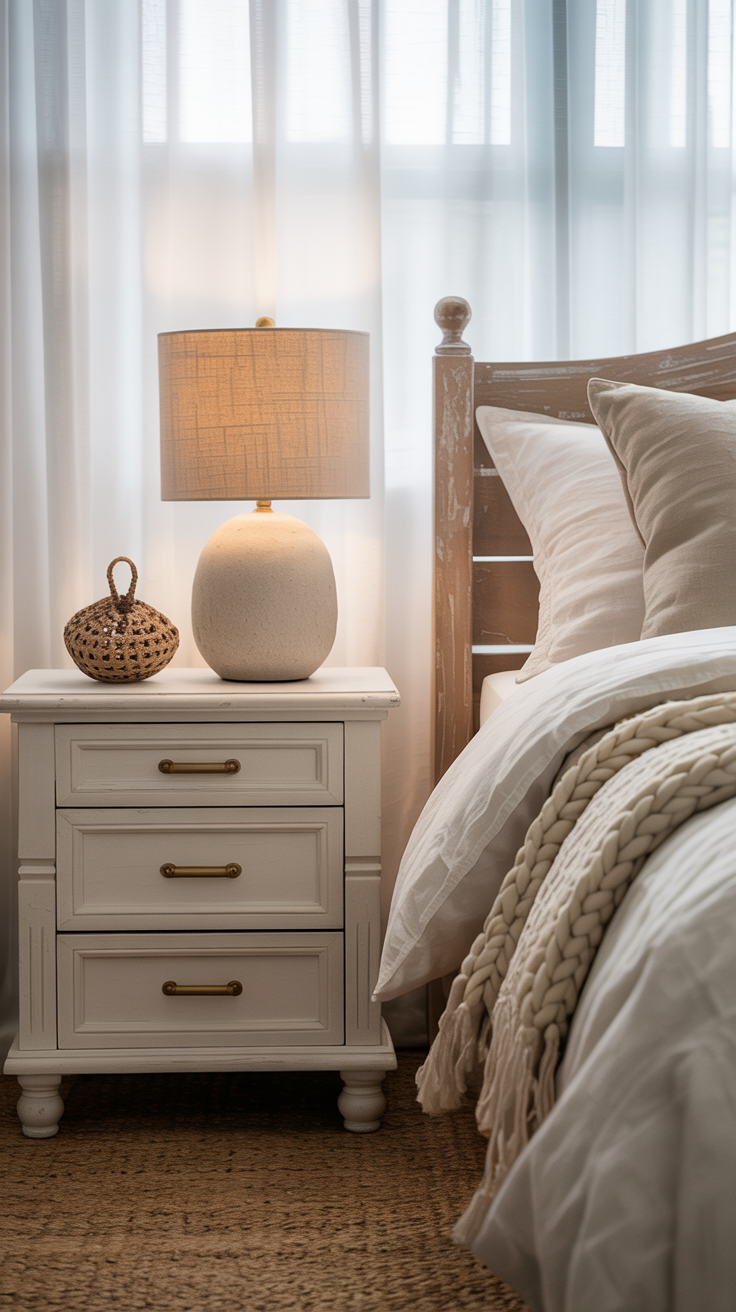
- Paint is your BFF. Old furniture? One coat of white or soft beige paint + chic handles = instant upgrade.
- Hardware swaps: Brushed gold, matte black, or even vintage pulls transform nightstands and dressers overnight.
- Thrift and refinish: Second-hand stores are treasure troves. Sand, paint, or reupholster and boom—designer vibes.
- DIY coastal decor: Driftwood mirrors, handmade shell art, or woven wall hangings look pricey, but your wallet won’t even notice.
Secret tip: Start with one high-impact piece and build around it. A single statement mirror, chair, or pendant lamp changes the whole energy of the room.
THE FINISHING TOUCHES: YOUR ROOM’S “WOW” FACTOR
You’re almost there. Now it’s time for the details that separate “nice” from “OMG I need to live here.”
THE COASTAL LUXE PLAYBOOK:
- Greenery = instant life. Small potted plants, air plants, or a subtle palm bring freshness without clutter.
- Textural contrast: Mix smooth surfaces (glass, metal) with woven, knotted, or natural textures. Your hands and eyes will thank you.
- Art & prints: Minimalist coastal prints, abstract seascapes, or even framed linen swatches can tie the palette together.
- Smells matter: Candles, diffusers, or a subtle ocean-scented spray make the room feel curated and pampering.
💡 Fun tip: Keep surfaces mostly clear. Designers swear by “negative space.” You don’t need a million accessories. Curated simplicity = luxe energy.
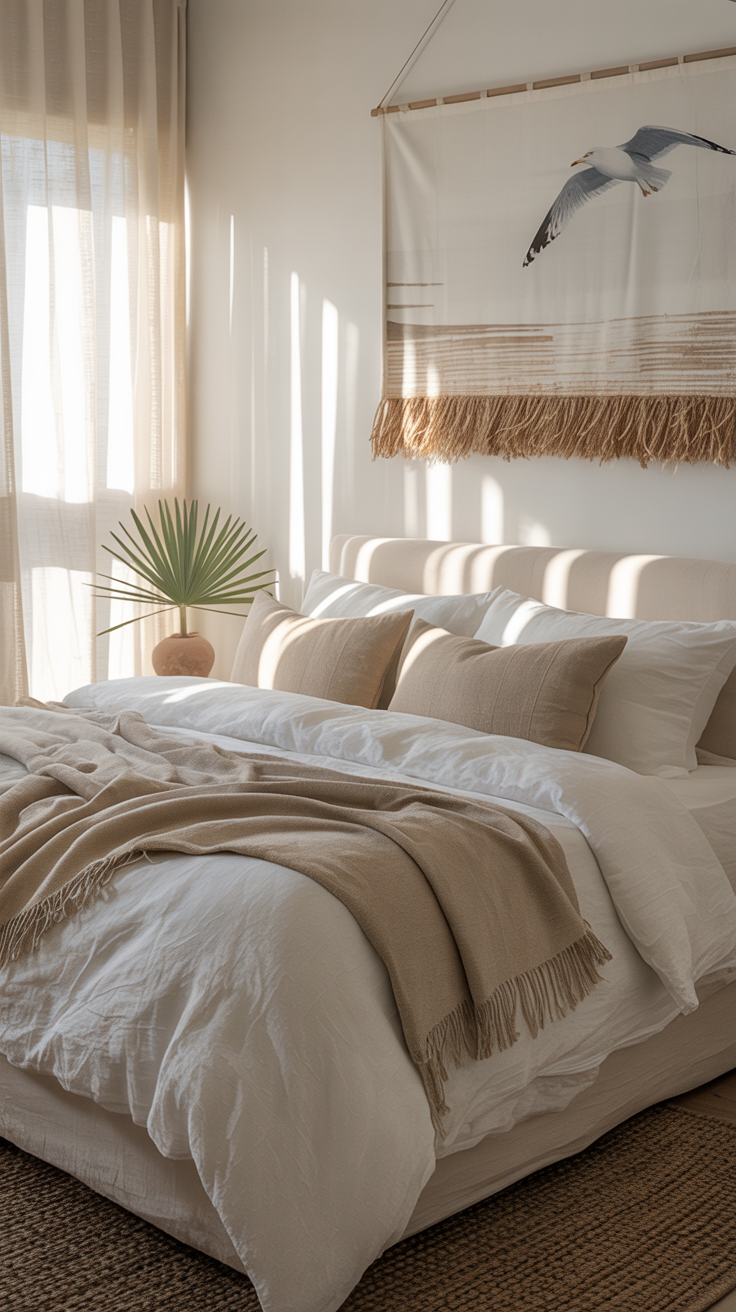
QUICK RECAP: YOUR LUXE-LOOKING NEUTRAL COASTAL BEDROOM
Let’s recap because honestly, it’s a lot to hold in your brain while scrolling TikTok.
- COLOR: Layer neutrals + subtle pops
- BEDDING & TEXTILES: Texture > thread count, layer everything
- FURNITURE: Luxe-looking materials, strategic placement, minor upgrades
- LIGHTING: Layered light, statement lamps, maximize natural light
- ACCESSORIES: Curate, vary height and texture, 3–5 key pieces
- FLOORING & RUGS: Go big, layer, natural fibers
- DIY & BUDGET HACKS: Paint, hardware swaps, thrifted treasures
- FINISHING TOUCHES: Plants, art, texture, scent, negative space
Follow these steps, and your neutral coastal bedroom won’t just feel expensive—it’ll feel intentional, curated, and totally magazine-ready. And the best part? You don’t need to sell a kidney or start a side hustle to afford it.